For decades, Nigerian residential and commercial construction relied predominantly on sawn hardwood rafters. However, rising timber prices, inconsistent wood seasoning, and severe termite damage have shifted modern developers toward engineered steel roof trusses.
1. Termite & Moisture Immunity
Seasoned hardwood can still harbor wood-boring beetles or suffer moisture absorption during heavy wet seasons, leading to twisted fascia lines and roof leaks. Steel trusses cannot rot, warp, or be eaten by termites.
2. Clear-Span Efficiency
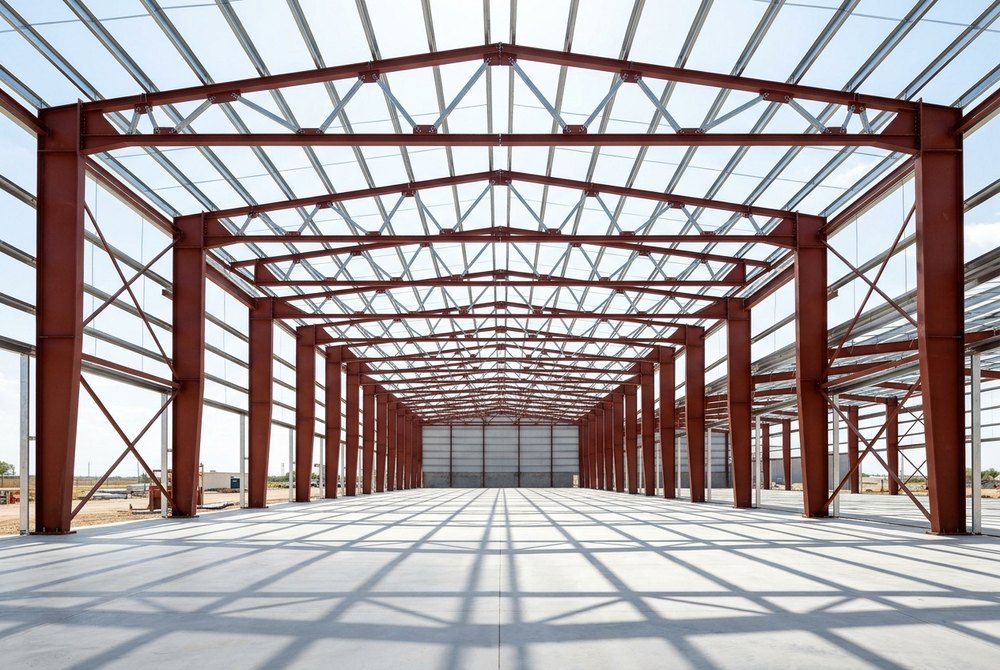
For commercial halls, warehouses, churches, and wide living spaces, steel trusses bridge 12m to 30m+ spans without intermediate support walls or sagging under heavy stone-coated or long-span aluminum sheets.
3. Total Lifecycle Cost
While upfront steel material costs can be slightly higher on small cottages, eliminating anti-termite chemical treatments, roof re-leveling, and timber waste during cutting makes properly primed steel trusses significantly more economical over a 30–50 year building life.
Estimate Steel Roof Trusses Cost →
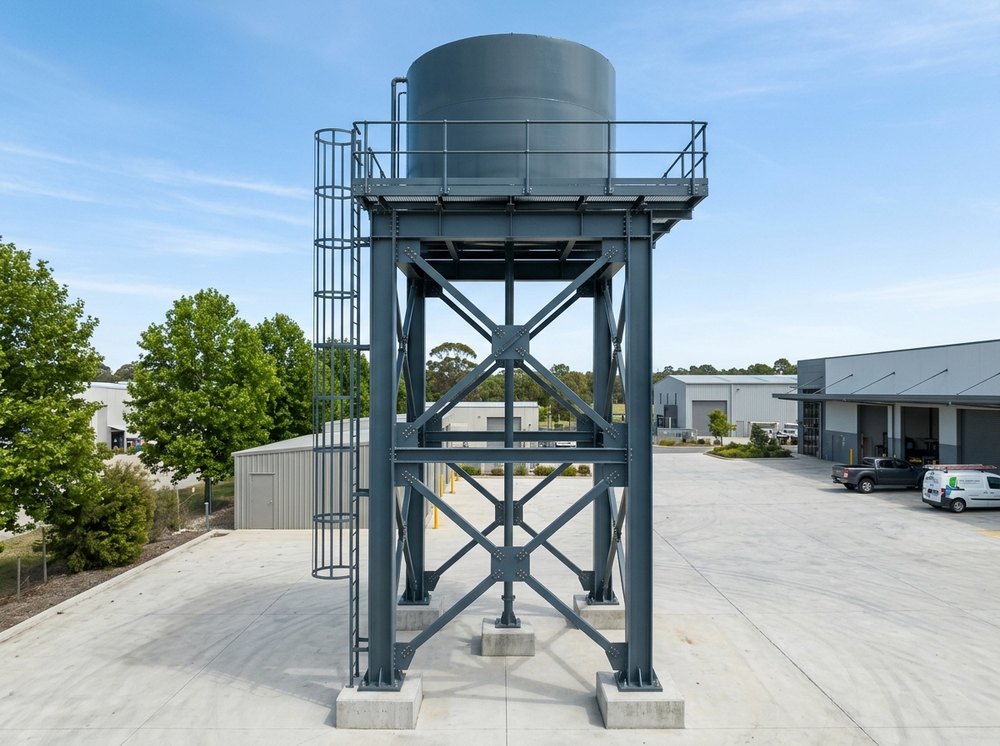
One of the most common disappointments property owners experience is seeing an expensive steel gate or overhead tank stand bleed rust streaks within 12 months of installation. Corrosion almost never happens because of "bad luck" — it happens when surface preparation and primer chemistry are skipped.
Step 1: Mechanical Descaling & Weld Slag Removal
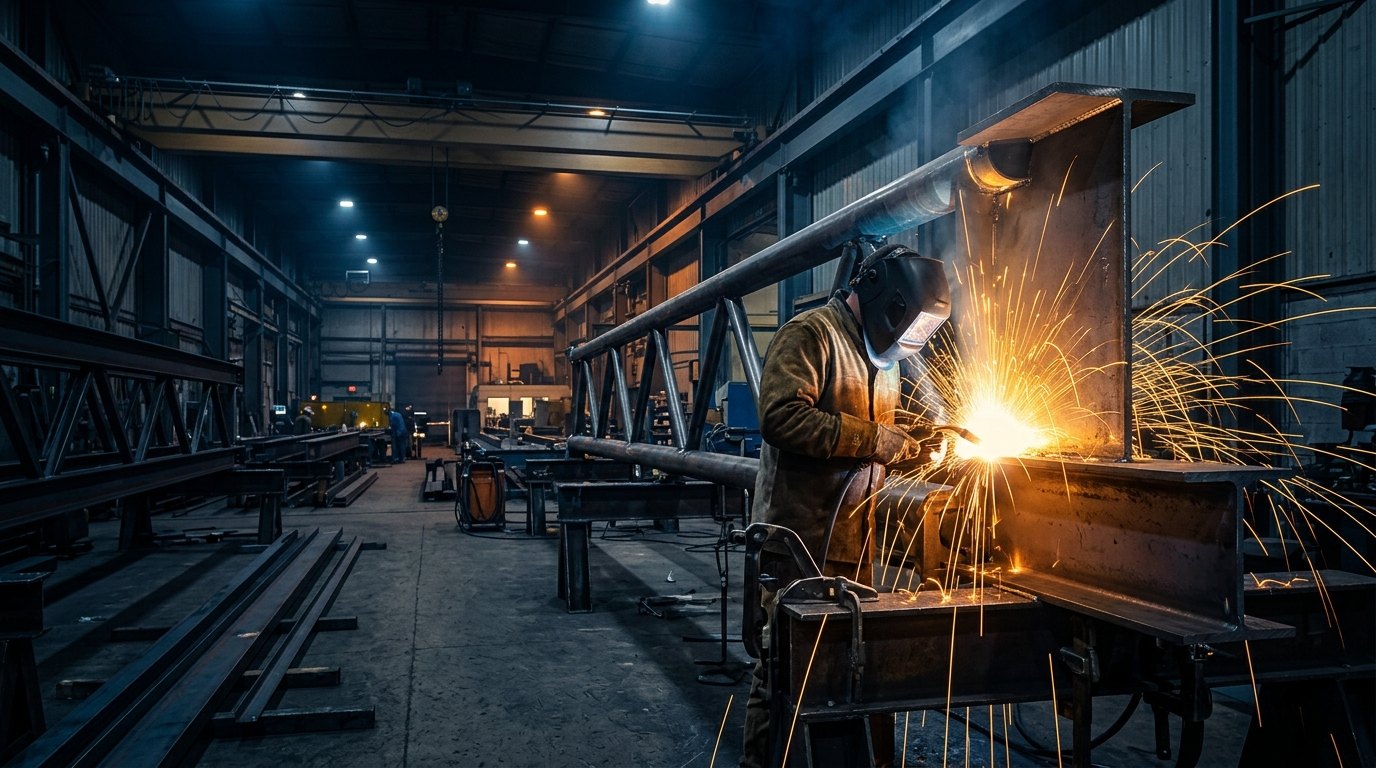
Every mill pipe comes coated in mill scale and factory oil. Painting straight over oil or welding slag traps moisture underneath the paint film. Proper wire-wheeling, flap-disc grinding, and solvent degreasing are mandatory before applying primer.
Step 2: Zinc-Phosphate or Red-Oxide Anti-Rust Primer
Gloss enamel alone does not chemically passivate steel. A dedicated anti-corrosive zinc-phosphate or red-oxide primer forms a protective barrier that halts oxidation even if minor surface scratches occur.
Step 3: Drainage & Sealed End-Caps
Hollow square or rectangular tubes must be sealed completely with full weld beads at top joints (or fitted with weep drainage at the bottom) so rainwater never pools inside the pipe to rust it from the inside out.
Price Galvanized Anti-Rust Options →
When comparing two metal fabrication quotations for the same building, a suspiciously cheap quote almost always hides material shortcuts. Always verify these five line items before signing:
- Exact Pipe Wall Thickness (Gauge): Insist the quote specifies millimeter wall thickness (e.g., 2.0mm, 2.5mm, or 3.0mm), not just outer dimensions like "2×2 pipe." A 1.0mm pipe looks identical from the outside at half the strength.
- Primer & Paint Specification: Confirm whether anti-rust primer and finish topcoats are included in writing.
- Gate Motor & Track Hardware: For sliding gates, confirm steel floor track diameter, sealed bearing rollers, and anti-lift stoppers.
- Corporate Accountability: Verify CAC registration (`RC Number`) and demand milestone documentation rather than verbal promises.
- Delivery & Installation Scope: Clarify whether concrete grouting, base plate bolting, and on-site touch-up painting are included.
Request an Itemized Apex BOQ →
Choosing the right alloy saves money upfront while preventing premature replacement later:
1. High-Grade Mild Carbon Steel
Best for: Structural beams, warehouse trusses, tank towers, and custom-painted gates. Highest strength-to-price ratio when properly descaled, sealed, and zinc-primed.
2. Hot-Dip Galvanized Steel
Best for: Exterior security gates, perimeter fencing, roof purlins, and humid coastal projects. Zinc coating provides sacrificial rust protection for decades.
3. Grade 304 / 316 Stainless Steel
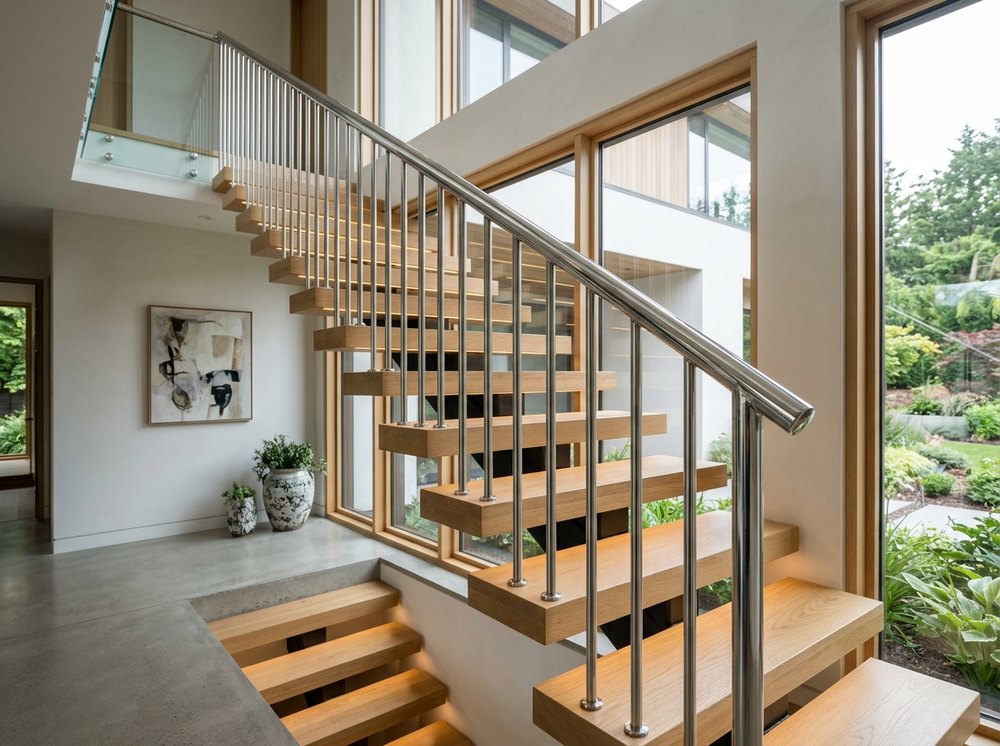
Best for: Interior and balcony staircase railings, commercial facades, and hygienic food/agro-processing fixtures. Requires zero painting and never peels.
Try Our Material Recommendation Advisor →